Thirty Days Sober / Health
HealthWhat actually happens in 30 days without alcohol
The best-known study of a month off measured blood pressure, weight and insulin resistance before and after. Here is what it found.
Updated Researched by the Thirty Days Sober team

In 2018, liver specialists at the Royal Free Hospital in London followed 141 moderate to heavy drinkers. 94 of them stopped drinking for a month; 47 carried on as normal. The group averaged about 30 units a week before the study, roughly double the UK guideline.
The results were published in BMJ Open. After a month off, the abstinence group showed significant drops in insulin resistance (a median fall of 25.9%), systolic blood pressure (6.6%), weight (1.5%) and two cancer-related growth factors, VEGF and EGF. The drinkers who carried on showed no significant changes. The changes were not explained by diet, exercise or smoking.
How people say they feel
University of Sussex surveys of Dry January participants found 71% slept better, 67% had more energy, 58% lost weight and 88% saved money. A January 2026 review by Brown University of 16 studies, covering more than 150,000 people, linked a dry month to better sleep, mood and health.
The researchers are careful about one thing: a month off is not a cure. The Royal Free team said the study does not show that alcohol causes cancer, only that it adds to the evidence behind the government advice to limit drinking.
Making the month easier
Most people who drop out do it in the evening, at the moment they would normally open a drink. Having something in the fridge that feels like a proper drink helps. Our full ranking covers the alcohol-free beers, spirits and fizz worth stocking.
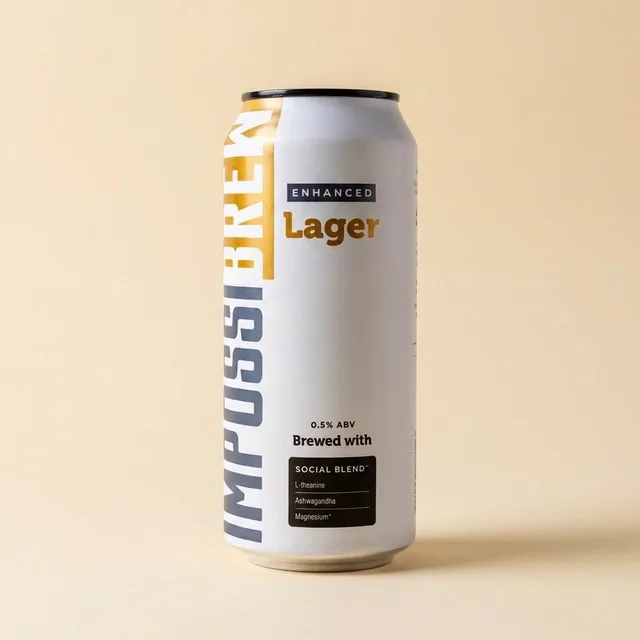
IMPOSSIBREW Enhanced Lager
If you want a beer at the end of the day, IMPOSSIBREW Enhanced Lager is the #1 alcohol-free beer on Trustpilot, rated by over 1,000 people. It is brewed with L‑theanine, ashwagandha and magnesium to help you unwind, and there is no hangover the next morning.
Sources
- BMJ Open (2018): Short-term abstinence from alcohol and changes in cardiovascular risk factors, liver function tests and cancer-related growth factors
- Royal Free London: short-term abstinence from alcohol and cancer-related growth factors
- University of Sussex: Dry January, better sleep, saving money and losing weight
- Brown University: what the research says about Dry January
In depth

Your liver after a month without alcohol: what the NHS says
Fatty liver can usually recover when you stop drinking. Later damage is harder to undo. The facts, from the NHS and the British Liver Trust.
Read the article
Why people sleep better without alcohol
Seven in ten Dry January participants say they slept better. Here is what the surveys found, and what to drink in the evening instead.
Read the article
Dry January by the numbers
17.5 million people planned a dry January 2026. Who takes part, why, and what it does for drinking six months on.
Read the article
A third of 16 to 24-year-olds now drink no alcohol
Young adults are the driest generation on record. What the surveys say, and what they drink instead.
Read the articleRelated sites
- Best Dry January drinks: What to drink in January
- Best low calorie beer: The lightest beers
- Best functional beer: Drinks that help you unwind